

This post may contain affiliate links. Please read our disclosure policy.
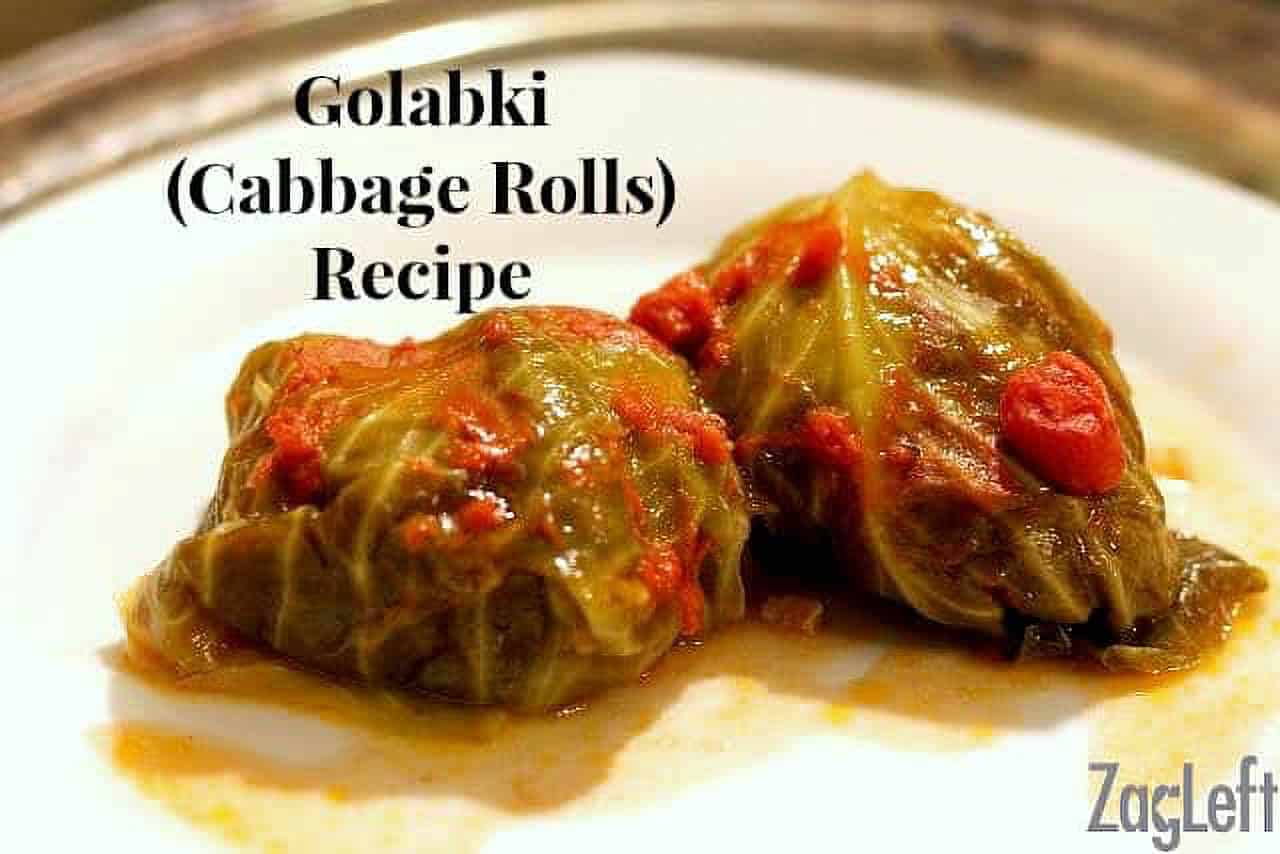
Traditional Polish stuffed cabbage rolls, or gołąbki, are tender leaves wrapped around a hearty filling of ground beef, pork, and rice, baked in a sweet and tangy tomato sauce made from scratch.
Quick Look
- Prep Time: 30 minutes
- Cook Time: 1 hour
- Total Time: 1 hour 30 minutes
- Equipment: 13×9-inch baking dish, large pot, large skillet
- Cook Method: Baked
- Servings: 16 rolls (about 6 to 8 servings)
- Difficulty: Intermediate
- Flavor Profile: Hearty and meaty, with a bright sweet-tangy finish and a soft, tender bite.
These gołąbki are my husband’s grandmother Mary’s recipe, the one I learned making at her side.
Why You’ll Love These Polish Stuffed Cabbage Rolls
Mary stayed with us after each of my first three babies was born, and we’d roll gołąbki together in my kitchen while she was here. She’s gone now, and I only ever scribbled rough amounts as we worked, so it took me a long time to get her recipe back. Each roll holds tender cabbage wrapped around a savory filling of ground beef, pork, and rice, baked soft under a sweet and tangy tomato sauce. These finally taste like hers.
I made them over and over from those rough notes and got close. Then we moved to Houston, ate at a Polish restaurant called Polonia, and I talked cabbage rolls with the chef before coming home to experiment again. The sauce turned out to be the whole thing. I make it from scratch with diced tomatoes, white wine vinegar, and a spoonful of sugar, cook it down until it’s sweet and tangy, then stir some of it into a sautéed onion base with tomato paste and red wine before the filling comes together, so the meat tastes like the sauce it bakes in.
They’re made for a crowd, and they’re easy to make ahead. Roll the pan a day ahead and refrigerate it until you’re ready to bake, and any extras freeze well for up to three months, so you’ve always got a homemade dinner ready to go.
Looking for another Eastern European classic? My Borscht is the beet soup traditionally served before cabbage rolls, and Vegetarian Moussaka is another old-world baked dish worth making.
What Are Golabki?
Gołąbki are Polish stuffed cabbage rolls, blanched cabbage leaves wrapped around a filling of ground meat and rice, then baked in tomato sauce. The name is Polish for “little pigeons,” and you’ll see the dish spelled golabki, golumpki, or galumpki depending on who’s writing it down.
In Poland, gołąbki are a home-cooked meal often made for family gatherings and holidays. Other countries have their own versions: Czechs and Slovaks call them holubky, and across the Balkans a similar cabbage roll is known as sarma.
This recipe is the traditional Polish version, ground beef, pork, and rice in a sweet and tangy tomato sauce.
Ingredient Notes
Here are the ingredients you’ll need to make gołąbki, these Polish stuffed cabbage rolls, with a note on why each one matters and what you can swap. For exact amounts, see the recipe card below.
Green cabbage: One large head gives you the big, flexible leaves you need for wrapping. Look for a loose head with leaves you can peel off whole, or grab two small heads if you can’t find one large one.
Ground beef and pork: I use a pound of each because the blend is what makes the filling taste right. The beef brings the meaty flavor and the pork keeps everything moist. Ground turkey works if you’d rather go lighter, though you’ll give up some of that richness.
Cooked rice: White rice binds the filling and soaks up the sauce as the rolls bake. I use white, but any short-grain white or brown rice works. Cook it first, and leftover rice from another meal is perfect here.
Egg: One egg holds the meat and rice together so the filling stays put when you roll and slice.
Onion and garlic: Sautéed together, they build the savory base that flavors the whole filling.
Diced tomatoes: Two 28-ounce cans are the backbone of the sauce. I use diced so the sauce keeps a little texture.
White wine vinegar and sugar: This pair is what makes the sauce sweet and tangy. The vinegar brings the tang and the sugar softens the acidity so the sauce tastes balanced. Red wine vinegar or apple cider vinegar stand in fine, and honey or brown sugar work in place of the sugar.
Tomato paste and red wine: Both go into the onion base and deepen the flavor of the filling before it goes in the oven. You only need a couple tablespoons of tomato paste, so freeze the rest of the can in spoonfuls for next time.
Recipe Variations
Here are three tested variations on these authentic Polish cabbage rolls.
Slow Cooker Stuffed Cabbage Rolls
Assemble the rolls the same way, then cook them in a slow cooker instead of the oven. Spread about 1 1/2 cups of sauce in the bottom of a slow cooker, arrange the rolls seam side down, and pour the rest of the sauce over the top. Cover and cook on low for 8 hours or on high for 4 hours, until the filling reaches 165°F inside the rolls.
Low-Carb Cabbage Rolls Without Rice
To make these low carb, swap the cooked white rice for an equal amount of cooked cauliflower rice and leave the sugar out of the sauce. The filling holds together the same way, and the rolls bake for the same time.
Ground Beef Cabbage Rolls (no pork)
Swap the pound of pork for a second pound of ground beef, so the filling is two pounds of beef. It comes out firmer and beefier. Since the pork is what adds moisture, use 80/20 ground beef so the rolls stay juicy.
How to Make Stuffed Cabbage Rolls
Here’s how to make golabki step by step. You’ll soften the cabbage, make the sauce, mix the filling, then roll and bake. Full measurements are in the recipe card below.
Prepare the cabbage leaves
Bring a large pot of water to a boil. Pull off and discard any large, damaged outer leaves. Carefully peel the big leaves off the head one at a time, keeping them as whole as you can, and set aside the ones large enough to stuff. Some will tear, and those are still fine to use.

Blanch the leaves in the boiling water for 4 to 5 minutes, until soft and bendable. Drain them in a colander, run them under cold water, and pat each one dry.
Make the golabki sauce
Coat a large saucepan with olive oil and set it over medium heat. Add the garlic and cook for 1 minute, until fragrant. Pour in both cans of diced tomatoes with their juices, stir, and cook for 3 minutes. Stir in the vinegar and sugar, bring to a boil, then reduce the heat and simmer for about 10 minutes, until the sauce thickens enough to coat the back of a spoon. Season with salt and pepper and take it off the heat.

Make the onion base
In a skillet over medium heat, cook the onion and garlic in olive oil for about 5 minutes, until soft. Stir in the tomato paste, red wine, and 3/4 cup of the golabki sauce you just made, and cook for 2 minutes, until the mixture thickens slightly. Take it off the heat.
Mix the filling
In a large bowl, combine the ground beef, ground pork, egg, cooked rice, and the onion base. Season with salt and pepper and mix with your hands until just combined.
Assemble and bake
Preheat the oven to 350°F. Spread 1/2 cup of the golabki sauce across the bottom of a 13×9-inch baking dish. Put 1/4 to 1/3 cup of filling in the center of a cabbage leaf, fold the base up over the filling, fold in the sides, and roll it up.

Set the roll seam side down in the dish and repeat, arranging the rolls in rows.

Pour the remaining sauce over the top, cover tightly with foil, and bake for 1 hour, until the filling reaches 165°F inside the rolls.

Expert Tips
Pick a large head of green cabbage. Big, flexible leaves are the easiest to fill and roll. Peel off a few more leaves than you think you need so you’ve got backups for any that tear.
Don’t overstuff. Stick to 1/4 to 1/3 cup of filling per leaf. Overfilled rolls split at the seam and come apart as they bake.
Don’t overcook the cabbage. Blanch the leaves just until they bend without cracking, about 4 to 5 minutes. Too little and they stay tough, too long and they turn mushy and tear.
Mix the filling gently. Combine the meat, rice, and onion base just until everything comes together. Working it too hard packs the meat tight and makes the rolls denser than you want.

Troubleshooting
A few common problems people run into with golabki, and how to fix each one.
Why are my cabbage rolls tough?
Tough cabbage rolls usually mean the leaves were undercooked before rolling. Blanch them until they bend easily without cracking, about 4 to 5 minutes. If the baked rolls are still firm, cover them and return them to the oven for another 15 to 20 minutes to soften the cabbage.
Why did my cabbage rolls fall apart?
Set each roll seam side down in the dish so it can’t unroll as it bakes. Let the baked rolls rest about 10 minutes before serving, which helps them firm up and hold together when you lift them out.
Why isn’t the filling cooked through?
If the filling is still pink, the rolls need more time. Keep them covered and bake until the center reaches 165°F. Check a roll from the middle of the dish, since those cook slowest.
Frequently Asked Questions
Green cabbage is best. Its large, flexible leaves are sturdy enough to hold the filling and easy to roll. Savoy cabbage is a good alternative, since its softer, crinkled leaves roll easily and need less time to soften.
Yes. The leaves need to soften so they bend without cracking. Blanch them in boiling water for 4 to 5 minutes. If you’d rather skip the pot, freeze the whole head and thaw it, which softens the leaves the same way.
Yes. Assemble the rolls up to a day ahead, cover the dish, and refrigerate. Bake as directed, adding a few extra minutes if they’re going into the oven cold.
Yes. Freeze cooked cabbage rolls with their sauce in an airtight container for up to 3 months. Thaw overnight in the refrigerator before reheating.
Cooked cabbage rolls keep in an airtight container in the refrigerator for 3 to 4 days. Reheat them in their sauce so they stay moist.
Reheat cabbage rolls in their sauce, covered, in a 350°F oven until heated through, about 20 minutes. You can also microwave them until hot in the center.
Stuffed Cabbage Rolls (Polish Golabki)
Equipment
- 13×9 inch baking dish
- 10-inch skillet
- 2 quart saucepan
Ingredients
- 1 large head green cabbage
For the golumki sauce
- 2 tablespoons extra virgin olive oil
- 3 cloves garlic – chopped
- (2) 28-oz cans diced tomatoes
- 2 tablespoons white wine vinegar
- 1 tablespoon sugar
- ½ teaspoon kosher salt
- ¼ teaspoon black pepper
For the cabbage rolls
- 2 tablespoons extra virgin olive oil
- 1 medium onion – chopped
- 2 cloves garlic – minced
- 2 tablespoons tomato paste
- 2 tablespoons red wine
- 1 pound ground beef
- 1 pound ground pork
- 1 large egg – lightly beaten
- 1 ½ cups cooked white rice
- ½ teaspoon kosher salt
- ¼ teaspoon black pepper
Instructions
Prepare the cabbage leaves
- Bring a large pot of water to a boil. Peel off and discard any large, damaged outer leaves.
- Carefully peel the large leaves from the head, setting aside the ones whole and big enough to stuff.
- Blanch the leaves in the boiling water for 4 to 5 minutes, until soft and pliable.
- Drain, rinse under cold water, and pat each leaf dry.
Make the golumki sauce
- Coat a large saucepan with olive oil over medium heat. Add the garlic and cook for 30 seconds.
- Add both cans of diced tomatoes with their juices. Stir and cook for 3 minutes.
- Stir in the vinegar and sugar. Bring to a boil, then reduce the heat and simmer until the sauce thickens enough to coat the back of a spoon, about 10 minutes. Season with salt and pepper and remove from the heat.
Make the onion base
- In a skillet over medium heat, cook the onion and garlic in olive oil for about 5 minutes, until soft.
- Stir in the tomato paste, red wine, and 3/4 cup of the sauce. Cook 2 minutes, until slightly thickened, then remove from the heat.
Mix the filling
- In a large bowl, combine the ground beef, ground pork, egg, cooked rice, and onion base. Season with salt and pepper.
- Mix with your hands just until combined.
Assemble and bake
- Preheat the oven to 350°F. Spread 1/2 cup of the sauce over the bottom of a 13×9-inch baking dish.
- Place 1/4 to 1/3 cup of filling in the center of each leaf. Fold the base up over the filling, fold in the sides, and roll up.
- Arrange the rolls seam side down in rows in the dish.
- Pour the remaining sauce over the rolls. Cover tightly with foil and bake for 1 hour, until the filling reaches 165°F.

Thanks so much for sharing your version of the recipe, Joanie. I think it is awesome that you worked to recreate a family tradition for your husband! As a native Polish speaker, I thought you might like to know that Gołąbki is plural. One cabbage role is a gołąbek. Same with pierogi, which is plural. One is a pierog.
I've been craving cabbage rolls and so yesterday my husband and I decided that we would spend our quiet Thanksgiving Day making a huge batch together and sharing them with some friends the next day. I'm going to experiment tonight by throwing a head of cabbage in the freezer, a tip from Nana, above. Sounds brilliant!
A Green: my mom also shaves off the thick part of the cabbage rib, and I will do that as well.
Joanie, I'm going to try your version of the tomato sauce. It sounds tastier than my mom's. She uses a large tin of tomato juice mixed with a can of cream of tomato soup. (I can't eat the canned soups.)
And I adore sauerkraut, and will see if I can talk hubbie into layering at least some of the rolls with it, perhaps in a small casserole. Thanks for the commenters who suggested that!
I boil my cabbage in water with vinegar added. I have also tasted some made with whole sauerkraut cabbage and they were delicious, too.
Another trick is to shave off part of the "vein" on the cabbage leaf. Otherwise that one part is very thick. Just a tip my busia taught me when making these. I also cook the onions first, and add some beef bouillion.
I use sour crout in between layers in a clay baking dish. Line it with unusable cabbage leaves and also pour some brine from dill pickles over them. If no dill pickles available use dill herbs in the filling. Also cover the rolls with left over cabbage rolls. And must be served with sour cream on the side..
That sounds good, Emily. Thank you for sharing your version. Have a great weekend!
I freeze the head of cabbage instead of boiling. It makes the outer leaves limp and pliable and the inner part of the cabbage head is still usable.
YES!!! My sister told me this and it saves a ton of time and burnt fingers from any boiled water. Keep them in the freezer and then take them out and let them thaw out. The leaves wilt and come off more easily. Making about 4 dozen for our multicultural church dinner this weekend. Of course, I am not bringing ALL of them to the dinner…..gotta save some for home use.
Na zdrowie!
What a great idea! I will def. try this. My Polish mom makes amazing gołąbki and she always cuts the core out of hte head of cabbage and steams it in the boiling water until she can remove one leaf at a time. Freezing is sooo much easier. We're making cabbage rolls for Thanksgiving and I will try this tomorrow.
Delicious! Thanks. I always have trouble with the rolling of the leaves. This will help me very much.
Also I never thought of pelling the leaves first instead of blanching the head irself. This sounds so much easter and faster.
My husband’s family was Polish and Hungarian on his father’s side. I was told that I had to learn how to make this dish since it is a family favorite. My trick is to blanch the cabbage with out the core. As the cabbage softens, I dip them in water. I tried the ice water but found it made the cabbage too brittle. I prefer tap water. Once it cools a bit then I drain the leaves and remove the core. I also squeeze the leaves dry. Martha Steward uses a tea towel but I found it damage the leaves too much. I prefer to roll the leaf up and gently squeeze out the leaf. Then I fill the leaf with the stuffing. I also try to squeeze more liquid from each cabbage roll and then line them up in a baking dish with the seam side down. I also make my own sauce or gravy. I pack the cabbage rolls as close as possible so when it cooks they don’t break apart. Make sure the sauce covers all of the cabbage rolls so they don’t burn. I cover with foil for 45 min and then uncover so the sauce will reduce by half. It may take another 15 min.
These are my tricks to make a moist cabbage roll. I love making them on cold days.
Thank you so much for sharing your tips. My husband has been requesting this dish again, next time I make it I will try your suggestions. Thank you.
Does anyone have the recipe for what I believe is called, “Zazi”? It’s a thin strip of meat with onion, bacon and a bread filling that’s rolled into each other and held together with a toothpick? Please send that to my facebook page at Scotty Andrew Gustafski, Thanks!
There is an Italian dish called Braciole which is thin flank steak rolled with a similar stuffing and held together with toothpicks. It is cooked and then sliced into pinwheels. it is made for special occasions as it is quite a big deal to make. I hope this helps as I have never heard of Zazi.
I was looking for a recipe for golumpki which seemed to be close to what I remember my mother and grandmother making when I was young. I never made them before and of course paid little attention to how they were made when I was young. This recipe looked closest to what I remember so I made it. I made two small changes as I did not have any kosher salt (used sea salt) or white rice (used 2 cups of whole grain brown rice). I was very happy with the result. They were very similar to what I remember and my wife and I enjoyed eating them.
Walter,
I’m so glad you liked the recipe. I remember when my husband’s grandmother came to stay with us and made golumpkis and perogies, I didn’t pay a whole lot of attention to the process and now years later, I regret that. This was recipe was very close in flavor to hers, but it would have been a lot easier had I watched and learned. Have a great week!
Try it with – PAPRIKA – in the meat mix.. even if you just make a couple on the side to try…
Thank you for your suggestion, John. I’ll be sure to try paprika. You’re making me crave golabkis again, I just may have to make a batch next week.
my mom was polish…rip….she always made golabki…..and i always remember her using salt pork….and boiling the whole head less the core…much easier to fill&roll….I just made some last night…..mmmmmm…. out delivering them to kids today….they love them….so good…..thank you for wanting to keep these great foods alive
Thank you, Sandy. I’m sure your kids were thrilled with your delivery. Have a great weekend!
This recipe sounds great and close to what my grandmothers would make but both of them and my mom also used sauerkraut to fill in the crevices of the rolled cabbages and I believe that really gave it the tangy taste. My grandmothers were from Slovakia but a couple of my uncles married Polish women and the recipes were almost identical. I made them perfectly the first time my mother gave the recipe over the phone but later I experiment with different seasonings and they tasted terrible! Never use cumin or strange things like that for cabbage rolls. My father also loved her stuffed peppers but I hated them as a kid–wouldn’t mind having them now though. Leonard
Leonard,
When I was researching the recipe, I was surprised at how many different ways there were to make cabbage rolls. It seems each family had a unique ingredient they liked to use. I like the idea of using sauerkraut, my husband likes a more tangy flavor. I’ll have to give it a try when I make them again. Thank you for your suggestion. Have a great week.